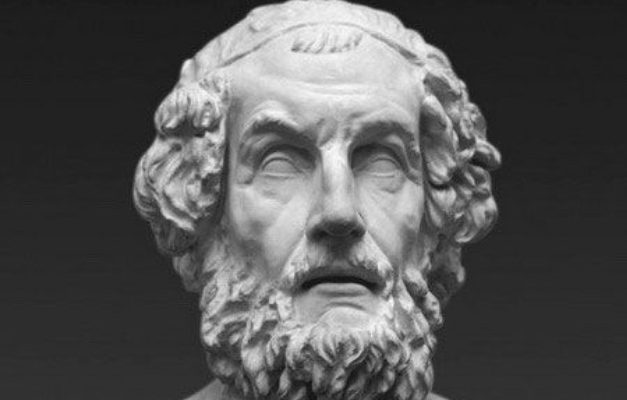
Homer’s The Iliad, traditionally dated to the 8th century BCE, is an epic poem about the Trojan War, focusing on Achilles, his anger, and the conflict between the Greeks and Trojans.
- The Iliad Main Characters analysis
- The Iliad Summary
- The Iliad Book 1 Summary
- The Iliad Book 2 Summary
- The Iliad Book 3 Summary
- The Iliad Book 4 Summary
- The Iliad Book 5 Summary
- The Iliad Book 6 Summary
- The Iliad Book 7 Summary
- The Iliad Book 8 Summary
- The Iliad Book 9 Summary
- The Iliad Book 10 Summary
- The Iliad Book 11 Summary
- The Iliad Book 12 Summary
- The Iliad Book 13 Summary
- The Iliad Book 14 Summary
- The Iliad Book 15 Summary
- The Iliad Book 16 Summary
- The Iliad Book 17 Summary
- The Iliad Book 18 Summary
- The Iliad Book 19 Summary
- The Iliad Book 20 Summary
- The Iliad Book 21 Summary
- The Iliad Book 22 Summary
- The Iliad Book 23 Summary
- The Iliad Book 24 Summary
The Iliad Main Characters analysis
- Achilles — The greatest Greek warrior, whose anger toward Agamemnon becomes one of the central conflicts of the poem.
- Agamemnon — The leader of the Greek, or Achaean, army who clashes with Achilles and commands the forces fighting Troy.
- Hector — The greatest Trojan warrior and a defender of Troy who ultimately faces Achilles.
- Paris — The Trojan prince whose relationship with Helen is closely connected to the conflict between Troy and the Greeks.
- Helen — The woman whose departure with Paris is associated with the beginning of the Trojan War.
- Menelaus — Helen’s husband and a prominent Greek warrior who fights Paris.
- Patroclus — Achilles’ close companion who enters the battle and whose death leads Achilles to seek revenge.
- Priam — The king of Troy and Hector’s father, who eventually asks Achilles to return Hector’s body.
- Odysseus — A Greek leader known for his intelligence and resourcefulness.
- Diomedes — A courageous Greek warrior who distinguishes himself in battle and even wounds the gods Aphrodite and Ares.
- Ajax — One of the bravest Greek warriors, who fights Hector in single combat.
- Andromache — Hector’s wife, who fears for his life and begs him to abandon the war.
- Thetis — Achilles’ mother, a sea nymph who asks Zeus to punish Agamemnon and later obtains new armor for Achilles.
- Zeus — The chief of the gods, who repeatedly intervenes in the war and influences its course.
- Athena — A goddess who supports the Greeks and assists warriors such as Diomedes.
- Apollo — A god who supports the Trojans and intervenes on their behalf.
- Hera — A goddess who favors the Greeks and attempts to help them against Zeus’s wishes.
- Poseidon — A god who supports the Greeks despite Zeus’s temporary support for Troy.
- Aphrodite — The goddess who protects Paris and is wounded by Diomedes.
- Ares — The god of war, who is wounded by Diomedes.
The Iliad Summary
The Iliad Book 1 Summary
The brave Achilles becomes enraged because the Achaean leader Agamemnon refuses to return the daughter of a priest in exchange for a ransom. As a result, Apollo sends a terrible plague upon the Achaeans.
Achilles demands that Agamemnon return the girl to her father. Agamemnon agrees, but only on the condition that Achilles give him his beautiful concubine in her place. Insulted by this demand, Achilles complains to his mother, the nymph Thetis, about the humiliation he has suffered. She asks Zeus to punish Agamemnon.
The Iliad Book 2 Summary
To fulfill his promise to Thetis, Zeus sends Agamemnon a deceptive prophetic dream telling him to lead the Achaean army and conquer “broad-streeted Troy.”
Believing the dream, Agamemnon calls a council of the elders. He understands that after ten years of war, the army has grown weak and the soldiers want to return home. Thanks to Odysseus, he manages to restore the army’s fighting spirit, and the warriors soon set out by sea.
Meanwhile, in Troy, King Priam learns about the coming battle and leads his own army out to meet the Achaeans.
The Iliad Book 3 Summary
Paris steps forward from the Trojan ranks and challenges the bravest Achaean warrior to fight him. Menelaus becomes his opponent. Before the battle, both sides agree that the winner will take Helen and her wealth, and the war will end.
The duel between Paris and Menelaus, Helen’s current and former husband, begins. Paris is defeated, but the goddess Aphrodite saves him from certain death. Agamemnon reminds the Trojans of the terms of the agreement and demands that Helen be handed over.
The Iliad Book 4 Summary
At a council of Zeus, the gods decide that the war should continue. Zeus sends Athena to provoke the Trojans into breaking the truce. The goddess inspires one of the warriors to shoot Menelaus, the favorite of Ares.
Outraged by this blatant violation of the oath, Agamemnon raises his army. A terrible battle begins, during which many brave warriors are killed.
The Iliad Book 5 Summary
The Achaean hero Diomedes distinguishes himself in the battle, aided by Athena. He kills many Trojans and is wounded in the shoulder by an arrow, but Athena heals him and he returns to the fight. While pursuing Aeneas, Diomedes wounds the goddess Aphrodite in the hand and then wounds Ares as well. The gods go to Zeus to complain about the audacity of the mortal warrior.
The Iliad Book 6 Summary
When the gods leave the fierce battle between the Trojans and Achaeans, the Achaeans gain the advantage. A seer persuades Hector to order all the people of Troy to pray to the goddess Athena Pallas for help.
After carrying out this task, Hector goes to Paris and rebukes him, forcing him to return to the battlefield. Hector also meets his wife, Andromache, who begs him to give up his participation in the war. Hector reassures her and reminds her that war is the responsibility of every man born in Ilion.
The Iliad Book 7 Summary
Hector and Paris join their warriors. Following the advice of a seer, Hector challenges the bravest Achaean to single combat. Ajax accepts the challenge. During the fight, Ajax wounds Hector and then knocks him down with a stone.
The warriors are ready to continue fighting until victory, but nightfall prevents them from doing so. Agamemnon holds a feast in honor of the brave Ajax.
Meanwhile, the Trojans hold an assembly and propose returning Helen and her wealth to the Achaeans. Paris declares that he is willing to keep Helen but return all her treasures. Priam conveys this decision to the Achaeans, along with a request for a temporary truce to bury the fallen warriors.
The Iliad Book 8 Summary
Zeus summons the gods and forbids them from helping either of the two opposing sides. From the heights of Olympus, he watches the battle and then throws a thunderbolt, signaling the approaching defeat of the Achaeans.
Inspired by Zeus’s support, the Trojans force their enemies to flee. Hera and Pallas are outraged by the god’s apparent injustice and want to help the Achaeans, but Zeus stops them in time. With the arrival of night, the battle between the Achaeans and Trojans is interrupted.
The Iliad Book 9 Summary
After their defeat in battle, the Achaeans become deeply worried. In despair, Agamemnon decides that they should escape. His companions, however, persuade him not to do so and advise him to seek Achilles’ help.
Agamemnon agrees and sends ambassadors to Achilles, but none of them succeeds in persuading him to lead the Achaean army.
The Iliad Book 10 Summary
After a sleepless night, Agamemnon and Menelaus summon all the leaders. At a council, they decide to send scouts to the enemy camp. Diomedes and Odysseus agree to undertake the difficult mission.
Meanwhile, Hector also decides to send a spy to the Achaeans. His choice is Dolon. Diomedes and Odysseus capture him and learn all the details about the location of the Trojan army before killing him.
They then go to the camp of Rhesus, kill him and all his companions, and take their finest horses. Odysseus and Diomedes return to the Achaeans as true heroes.
The Iliad Book 11 Summary
At sunrise, Zeus sends Strife onto the battlefield, and another battle between the Achaeans and Trojans begins. The forces of the two sides are evenly matched, but around midday the Achaeans manage to break through the enemy ranks.
Agamemnon shows particular courage, killing many Trojan warriors.
The Iliad Book 12 Summary
The Achaeans fortify themselves securely behind their wall, while the Trojans decide to divide into five groups and attack it from different sides.
Once again demonstrating his fearlessness as a warrior, Hector breaks through the gates with a stone, causing the Achaeans to flee.
The Iliad Book 13 Summary
In this battle, Zeus supports the Trojans, while Poseidon favors the Achaeans. He manages to inspire them and helps them repel another attack by Hector.
The advantage in the battle shifts from one side to the other, and countless warriors are killed.
The Iliad Book 14 Summary
Hera, wishing to help the Achaeans, decides to outwit Zeus. After seducing him, the goddess puts Zeus into a deep sleep.
Poseidon takes advantage of this and gives the Achaeans considerable support. As a result, Hector is struck down by a stone, and his comrades save him from certain death by carrying him away from the battlefield in time.
Inspired by their success, the Achaeans successfully repel all the Trojan attacks and free their ships.
The Iliad Book 15 Summary
When Zeus awakens, he is surprised to discover that the Trojans are retreating and Hector has been defeated. He demands an explanation from Hera and then foretells the course of the Trojan War unless the insult against Achilles is resolved, as he had previously promised Thetis.
Zeus recalls Poseidon from the battlefield and sends Apollo to help Hector. The brave warrior once again manages to drive the Achaeans back toward their ships.
The Iliad Book 16 Summary
Patroclus goes to Achilles and complains about the fate of the Achaean army. Achilles takes pity on him and agrees to help repel the Trojan attacks.
Meanwhile, Ajax’s strength is already failing, and the Trojans manage to reach his ship and set it on fire. At that moment, Achilles appears with his warriors. They force the Trojans to flee and extinguish the burning ship.
Patroclus pursues the fleeing warriors and kills many of them without mercy. Hector himself nearly becomes his victim, but with Apollo’s help, Hector kills his opponent.
The Iliad Book 17 Summary
Hector wants to take Patroclus’s body and expose it to public humiliation, but Menelaus fiercely defends it. A terrible battle breaks out.
Hector manages to strip the armor from Patroclus, which had belonged to Achilles, before the Achaeans recover his body. Menelaus sends a messenger to Achilles to inform him of Patroclus’s death.
The Iliad Book 18 Summary
When Achilles learns of Patroclus’s death, he is overcome with grief. His mother decides to comfort him and promises to obtain weapons made by Hephaestus himself.
She goes to Olympus and persuades Hephaestus to forge armor for her beloved son. Meanwhile, Achilles and the other Achaeans receive Patroclus’s body with all due honors.
When the Trojans learn that Achilles has returned, they decide to retreat, but Hector refuses to do so.
The Iliad Book 19 Summary
At dawn, Thetis brings her son the armor made by Hephaestus. When Achilles sees it, he decides to rush immediately into battle to avenge Patroclus’s death.
He summons the Achaeans to an assembly and publicly declares that he has put aside his anger in pursuit of righteous revenge. Agamemnon attempts to justify himself and offer Achilles rich gifts as a gesture of reconciliation, but Achilles wants only one thing: to enter the battle.
When he mounts his chariot, he hears Hera’s prophecy that he is destined to die at the hands of a mighty god and a mortal man.
The Iliad Book 20 Summary
When the Trojans and Achaeans meet in battle, Zeus calls on the gods to take part and assist either side as they choose. The gods’ approach to the battlefield is marked by thunder, lightning, and earthquakes.
Because the gods openly intervene in the battle, the long-awaited confrontation between Achilles and Hector does not take place, as their divine protectors, Athena and Apollo, keep intervening on their behalf.
The Iliad Book 21 Summary
Achilles manages to force the Trojans to flee. He chooses twenty young men as sacrificial victims for the dead Patroclus.
Near the river Xanthus, burning with a desire for revenge, he kills many Trojan warriors. When Priam sees the Trojans fleeing from his high tower, he orders the gates to be opened immediately so that they can escape.
The Iliad Book 22 Summary
All the Trojans except Hector manage to hide behind the protective walls. Hector’s parents beg him to come to his senses and save himself, but he wants to fight Achilles.
Zeus decides to cast lots to determine which of the heroes will remain alive. Achilles is favored by fate and mortally wounds Hector with his spear.
Wanting to humiliate his enemy as much as possible even after death, Achilles ties Hector’s body to his chariot and drags it away.
Agamemnon accepts the reconciliation proposed by Achilles.
The Iliad Book 23 Summary
After returning to the camp, Achilles gives Patroclus every possible honor and then holds a funeral feast.
In a dream, the soul of the dead Patroclus appears to him and demands to be buried as soon as possible because it has not been admitted into the realm of Hades.
At sunrise, Achilles completes the burial rites and holds various military and athletic contests in honor of his friend.
The Iliad Book 24 Summary
With the help and protection of the gods, Priam manages to persuade Achilles to return the body of Hector, whom Achilles has killed.
He brings Hector’s body home, where the Trojans honor the hero and his relatives mourn him. The body is then burned and buried.
Afterward, a feast is held in the house of the great Priam. Thus, the final book comes to an end.
Якщо ви не знайшли потрібну відповідь, можете запитати у нашого чат-бота у Телеграм.